
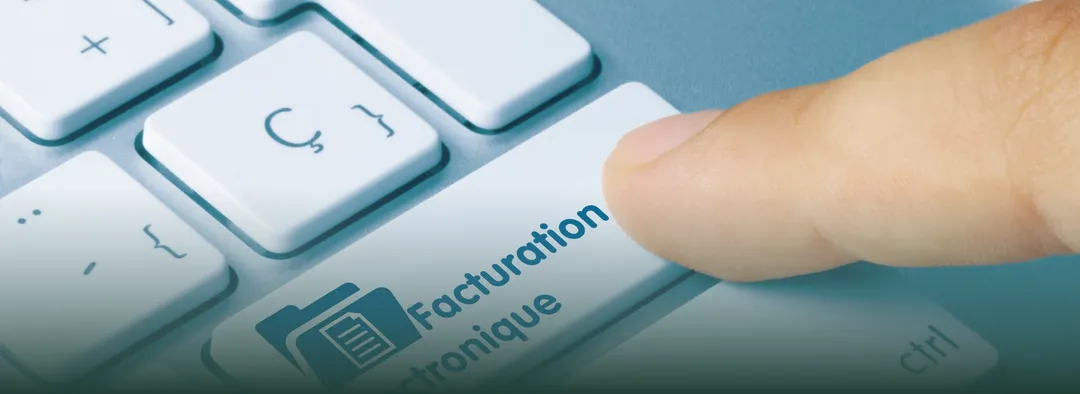
You’ve probably caught wind of it by now : electronic invoicing becomes compulsory in September 2026. It might seem far off on paper but you have less than one year left ! With repeated postponements and evolving rules, here’s what your business needs to prepare for in practical terms.
E-Invoicing Deadlines : Where Do We Really Stand?
After several reschedules, the countdown is now official : 1 September 2026 for large and mid-sized enterprises, 1 September 2027 for SMEs and micro-businesses.
But here’s the catch : by September 2026, every VAT-registered business must at least receive e-invoices. Even if you don’t need to issue them yet, you’ll still need to be able to process them. This is a crucial point that many businesses tend to underestimate.
The newly introduced 2026 Finance Bill formally confirms the deadlines and adds extra compliance checks. The message is clear : this time, it’s really happening.

E-Invoicing Platforms : How It All Works
So, how will electronic invoicing actually work in 2026 ? Businesses will no longer be able to send invoices directly to each other. Instead, all invoices must go through a platform : the Partner Dematerialisation Platform (Plateforme de Dématérialisation Partenaire, PDP).
PDP is a private platform approved by the tax authorities, often offered by your usual accounting or invoicing software providers.
What’s the advantage of a PDP ? They typically integrate more smoothly with your existing tools and offer additional features. The downside ? They come at a cost. Choosing the right electronic invoicing platform is therefore a strategic decision that should match your business’s actual needs.
Why Start Preparing Now?
“I’ve still got time, I’ll deal with it next year…” If that’s what you’re thinking, it’s time to change your mindset ! Planning ahead for this transition will save you a lot of hassle. You may need to update your current invoicing software or even switch to a completely new system. On top of that, your team will need training on the new processes.
There’s also a strategic angle : the 2026 Finance Bill specifies the approval process for certified platforms and increases penalties for non-compliance. In other words, failing to comply will be costly, and audits will be stricter than before.
Finally, consider the impact on your clients and suppliers. Should they switch to electronic invoicing first, your systems must be ready to process their digital invoices.
Alliés Conseils : Making E-Invoicing Work for Your Business
Implementing electronic invoicing is no small task. It’s technical, regulatory, and impacts your daily operations.
At Alliés Conseils, we walk you through every step. From analysing your current processes to helping you choose the right platform and training your team, we make sure this change works for your business. Our aim ? Turning compliance into an opportunity to improve your administrative efficiency.
Reach out to discuss your situation and ensure a smooth transition by September 2026. Being prepared early is always wiser than being caught off guard.